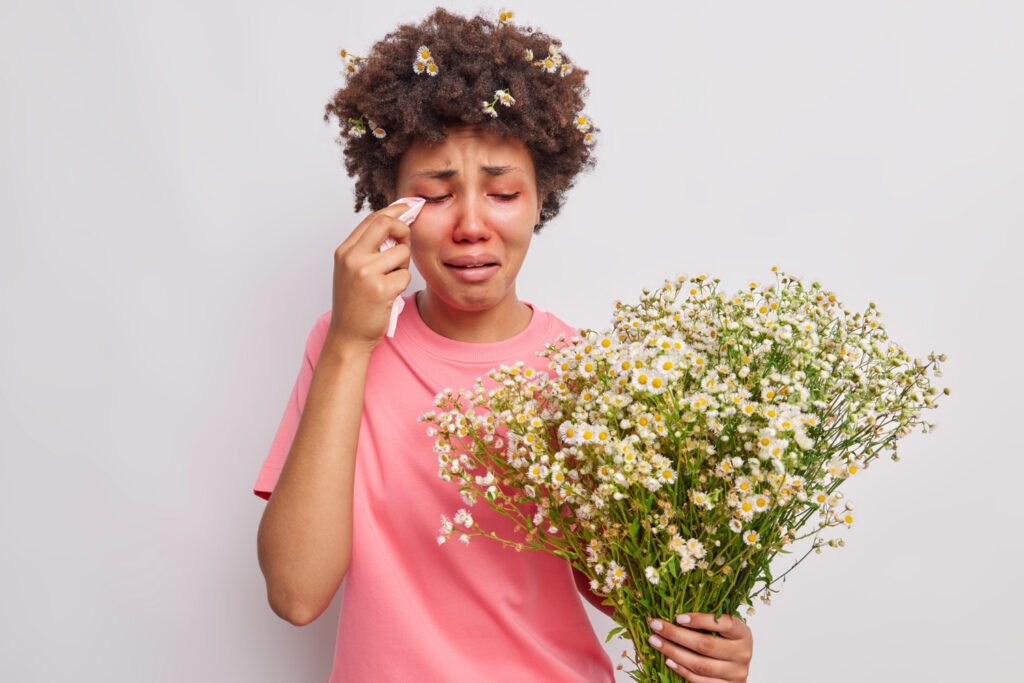
Spring Allergies and Dry Eye: Why Your Eyes Feel Worse This Season
If your eyes suddenly feel itchier, drier, or more irritated as spring arrives, you’re not imagining it. Seasonal allergies and dry eye syndrome often overlap and worsen each other during this time of year, and telling them apart matters, because the relief that works for one doesn’t always work for the other.
Why Spring Is Particularly Tough on Eyes
Rising pollen counts are the obvious trigger, but spring also tends to bring more wind, more time outdoors, and increased use of fans or air conditioning as temperatures shift, all of which can dry out the eye’s tear film at the same time your allergy symptoms are flaring up.
Allergies or Dry Eye? How to Tell the Difference
Signs pointing more toward allergies:
- Intense itching (dry eye is usually more of a gritty or burning discomfort than true itch)
- Watery, teary eyes despite feeling irritated
- Symptoms that flare specifically outdoors or around pollen, dust, or pet dander
- Often accompanied by sneezing or a stuffy nose
Signs pointing more toward dry eye:
- A gritty, sandy, or burning sensation rather than itch
- Symptoms that worsen through the day, especially with screen use
- Discomfort that doesn’t clearly track with outdoor exposure
- Occasional blurry vision that improves with blinking
The overlap: many people experience both at once, allergies trigger inflammation and eye rubbing, which disrupts the tear film and worsens underlying dry eye, creating a frustrating feedback loop.
What Actually Helps
- Preservative-free artificial tears can relieve both allergy-related and dry-eye-related irritation, and are safe to use frequently
- Avoid rubbing your eyes, it feels satisfying in the moment but worsens inflammation and can aggravate both conditions
- Cold compresses can calm allergy-related itching and swelling
- Antihistamine eye drops target allergy symptoms specifically, but won’t resolve underlying dry eye on their own
- Wraparound sunglasses outdoors reduce both pollen exposure and wind-related tear evaporation
When to See a Specialist
If symptoms are severe, persistent beyond the usual allergy season, or artificial tears and antihistamines aren’t giving meaningful relief, it’s worth having your eyes properly assessed. Chronic dry eye that goes unmanaged can affect the health of the eye’s surface over time, and a specialist can identify whether there’s an underlying dry eye condition that needs more targeted treatment than over-the-counter drops.
Struggling through allergy season more than usual? A dry eye assessment can clarify what’s actually going on, and get you real relief instead of guessing.