7 Signs You’re a Good Candidate
Tired of reaching for your glasses the moment you wake up, or wrestling with contact lenses before a swim, a gym session, or just a normal Tuesday? You’re not alone, and you’re also not stuck. LASIK has helped millions of people see clearly without corrective lenses, but it isn’t automatically right for everyone. Here’s how to know if you might be a good candidate.
1. Are You Over 18 (Ideally Closer to 21+)
Your eyes are still changing shape and strength well into your late teens and early twenties. Most surgeons prefer to see a stable prescription for at least 12 months before recommending LASIK, which usually means your mid-twenties is a safer starting point — though it varies from person to person.
2. Has Your Prescription Been Stable for a Year or More?
If your glasses or contact lens prescription hasn’t changed significantly in the last 12 months, that’s a strong sign your eyes have settled into a stable pattern — one of the key markers surgeons look for before recommending surgery.
3. Do You Have Any Certain Underlying Eye Conditions?
Conditions like keratoconus, severe dry eye, or certain corneal irregularities can rule out LASIK specifically — though that doesn’t mean vision correction is off the table entirely. Alternatives like ICL/IPCL are often suitable for these cases instead.
4. Are You in Generally Good Health?
Some health conditions — including uncontrolled diabetes or certain autoimmune conditions — can affect healing and are usually assessed carefully during your consultation. This isn’t about disqualifying you; it’s about making sure the procedure is genuinely the safest option for you.
5. Do You Understand What LASIK Can (and Can’t) Fix?
LASIK is excellent for correcting short-sightedness, long-sightedness, and astigmatism. It won’t prevent presbyopia (the natural age-related change in near vision that most people experience from their 40s onward) — that’s usually addressed separately, sometimes with a procedure like Presbyond.
6. Are Your Expectations Realistic?
Most patients achieve 20/20 vision or close to it, but “perfect” vision isn’t guaranteed for every single person. A good candidate is someone who understands this going in and is having the procedure for the right reasons — freedom from glasses and contacts, not an unrealistic ideal.
7. Your Corneas Are Thick Enough
LASIK reshapes the cornea, so there needs to be enough corneal tissue to work with safely. This is measured precisely during your pre-surgery assessment — it isn’t something you can judge from the mirror, but it’s one of the most important factors your surgeon will check.
How To to Know for Sure if You’re the Ideal Candidate for Lasik?
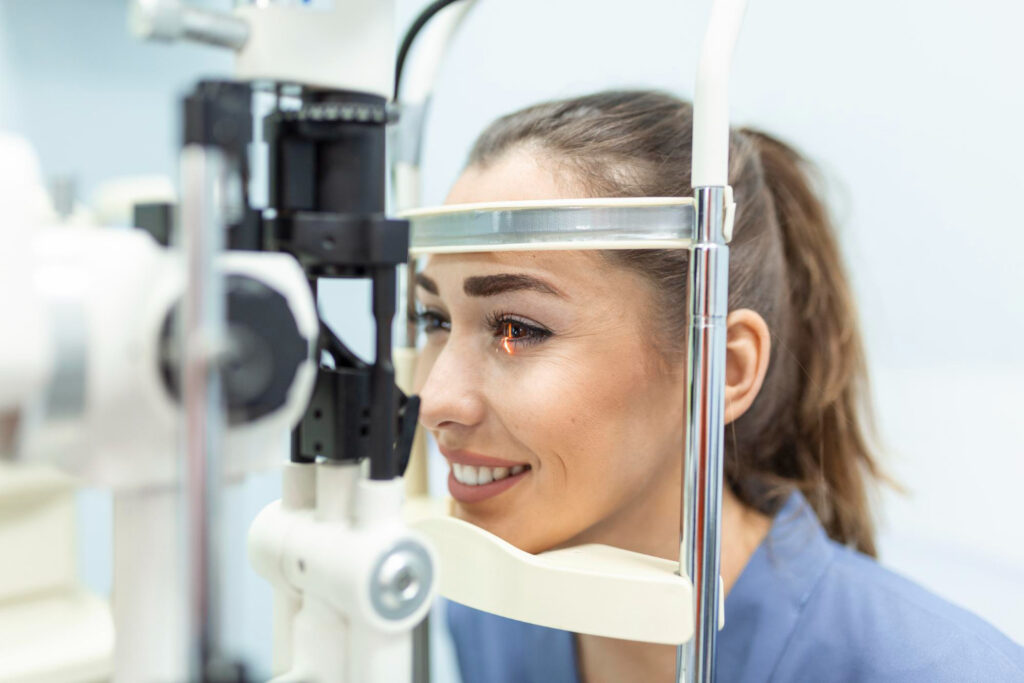
Reading a checklist can point you in the right direction, but every eye is different. The only way to know for certain whether LASIK is right for you is a comprehensive assessment — corneal mapping, prescription stability checks, and a conversation about your lifestyle and goals.
Ready to find out if you’re a candidate? Book a personalised vision assessment with our team and get clarity on your options, whether that’s LASIK, Presbyond, or ICL/IPCL.